The Pull You Don't Take: A Stop Rule for UK Wake Sessions That End Well

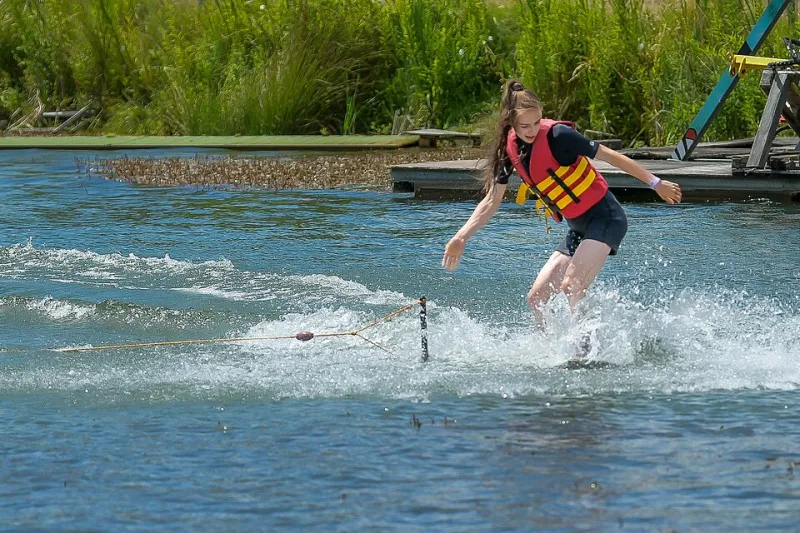
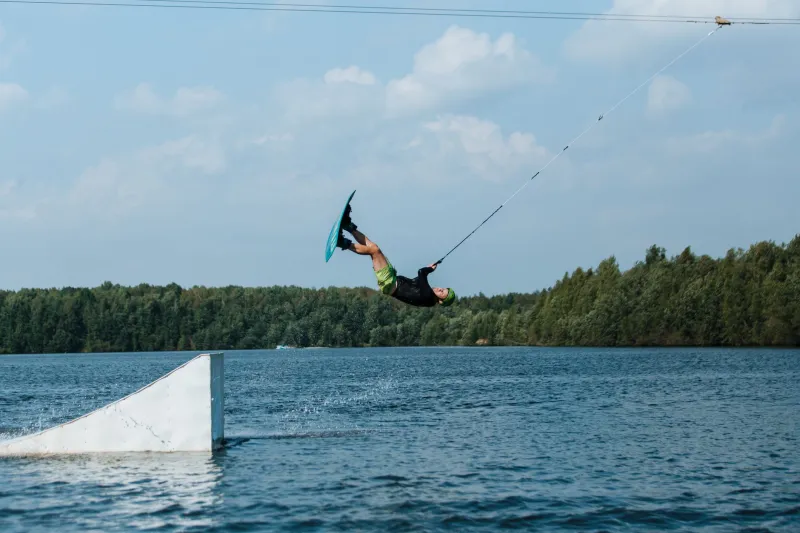
Photo: wakeboarder resting at cable park golden hour UK, via shopmysterysnails.homesteadcloud.com
Every wake session has a moment when the sensible version of you would call it. The cable is thinning out, the light is going flat, your hands have that dull ache, and the last pass was not quite as tidy as the one before. Then someone says the words: one more. Sometimes that extra pull is brilliant. Often it is the beginning of a scrappy ending that colours how you feel about the whole session.
This is not a lecture about being soft. Wakeboarding is supposed to be fun, and pushing through a bit of tiredness is part of learning. But there is a difference between productive fatigue and the kind that quietly wrecks your edge control, your timing and your confidence. In the UK, where sessions often come with cold water, fading light and a fair bit of travel, that difference matters more than most riders admit.
Why the last pull feels better than it is
Fatigue does not usually arrive with a warning klaxon. It creeps in. Your edge starts washing out on the toeside. Your handle drifts a few centimetres away from your hip without you noticing. You pop half a beat late, then blame the board, the water or the cable. On a boat, the wake feels different when your legs are tired, and the cold amplifies everything.
The tricky part is that your memory is biased towards the end of a session. A clean final pass makes you feel like you cracked something. A sloppy final wipeout makes you feel like you lost something, even if the previous hour was genuinely good. If you keep chasing one more pull after the quality has dropped, you are teaching yourself a bad final note. You are also more likely to take a knock when your reactions are slow and your grip is tired.
The warning signs worth listening to
You do not need a heart-rate monitor or a coach with a clipboard. Most riders can spot the signs if they are honest. The edge that felt locked in an hour ago now feels vague. You are missing the same trick for the same reason — usually late load or an early turn. Your hands are losing strength, or your forearms are pumped enough that the handle feels thicker than it did. You are shivering, or you have stopped feeling the cold in a way that is actually more worrying.
There is also a decision-making sign. If you are standing at the dock or the cable start and you cannot remember what you were planning to work on, that is fatigue talking. If your only plan is 'just one more', you have probably already reached the useful end of the session.
A stop rule that fits real UK sessions
A stop rule is not a rigid law. It is a line you draw before you get tired, because tired-you is not reliable at drawing lines. It should be simple enough to remember when your brain is cold and your hands are numb.
Try something like this: I stop when I have two consecutive sloppy passes, or when I miss the same trick twice because of late timing, or when I can no longer hold a clean edge for a full crossing. Pick one or two triggers and say them out loud before you get on the water. On a cable, a useful version is: I finish with one easy, repeatable success rather than one last ambitious attempt. On a boat, it might be: I stop when my wake jumps start feeling like survival rather than technique.
The point is not to avoid effort. The point is to avoid the random final pull that has no plan and no quality. A good stop rule protects the next session as much as this one. You leave with a body that can recover and a head that still wants to go back.
The finish that pays you back
Instead of letting the session dribble out, design the last ten minutes. Go back to something you own. A clean wake jump with a solid edge. A controlled switch pass. A simple surface trick that felt easy earlier. Do it once, properly, and then get out. That is the note you want in your head on the drive home.
This is especially useful at a UK cable park where the queue can tempt you into extra laps you did not plan. If the light is going and the air is cold, a short, sharp finish beats a long, messy fade. On a boat, tell your driver or mates beforehand that you want one easy final set, not a hero attempt. Most people will respect it, and some will quietly copy it.
When you are riding with a group
Group sessions have their own gravity. Everyone wants to be the person who says yes to one more. But your stop rule is yours. If you are cold, say you are cold. If your hands are done, say so. You are not letting anyone down by getting out before the quality drops. In fact, you are usually the one who keeps the session fun by not turning it into a grim endurance test.
Agree a rough finish time before you start, especially in winter. Rotate fairly. Let the person who is still fresh take the extra lap. There is no prize for being the last one standing if the last one standing cannot feel their fingers.
The cold-water version
Cold water is a fatigue multiplier. It stiffens your grip, slows your reactions and makes every mistake feel more dramatic. UK riders know this, but it is easy to forget when the sun is out and the water looks inviting. In colder months, shorten the set before you think you need to. Wear the gloves or the hood if they help. Keep the flask in the car and the dry robe ready. A twenty-minute session that ends well is worth more than a forty-minute session that ends with a shivering slog back to the car park.
The pull you do not take is not a wasted pull. It is the one you save for next time, when you are warm, fresh and actually able to use it.