Bail Like You Mean It: The Wipeout Skill UK Beginners Never Practise

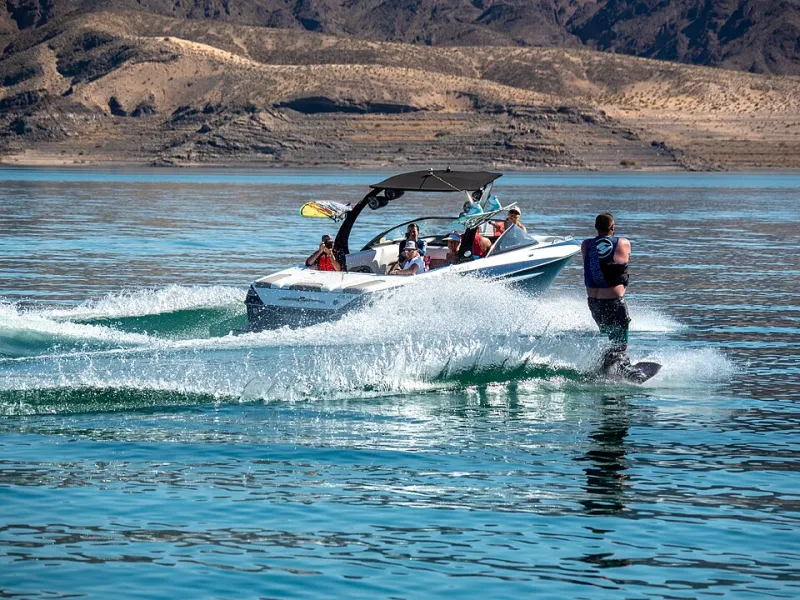
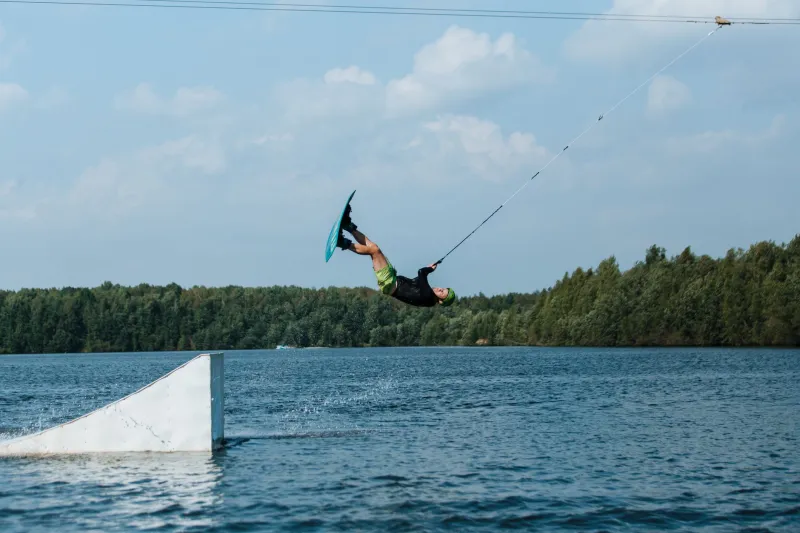
Photo: wakeboarder falling into water splash cable park beginner, via ssl.cdn-redfin.com
There's a moment in every beginner's first set where the board starts to slide out, the handle goes tight, and the whole body goes rigid. It's not the fall that does the damage — it's the panic. Riders who've been at it a while don't fall less often because they're braver. They fall less badly because they stopped treating a wipeout as a disaster and started treating it as a routine part of the set.
That's the whole premise here. Falling is not the tax you pay for wakeboarding. It's a technique, and like any technique it improves with a bit of deliberate practice.
The bit nobody puts on the lesson plan
A taster session will cover stance, edge, handle position, maybe a little surface trick. What it rarely covers is what to actually do in the half-second between "this is going wrong" and hitting the water. So beginners improvise, and improvisation usually looks like: white-knuckle the handle, straighten the legs, and land on whatever's underneath.
The fix is boringly simple. Decide, in advance, what your bail looks like — then drill it at low speed where nothing hurts. Two or three goes at this in flat calm water is worth more than an hour of stubbornly hanging on.
The handle is a brake, not a lifeline
The single biggest beginner habit is refusing to let go. The logic feels sound — hold on, maybe I can save it — but the handle isn't a safety rail. It's a tow rope with a boat or a cable motor on the other end, and as long as you're gripping it, that power has a say in where your body goes.
Let go the moment you know the trick isn't happening. Not when you're already airborne and sideways; earlier, at the point where the edge breaks and your weight goes over the front. Release with the back hand first if you can, so you don't get spun round by the shoulder.
A few things letting go early buys you:
- You stop the pendulum, where the handle whips you forward into a face-first landing.
- Your speed bleeds off naturally instead of being fed by the line tension.
- You get a clean, predictable entry into the water rather than a cartwheel.
The rule of thumb worth taping to the inside of your helmet: if you're more than a little out of shape, the handle is already gone. There's no prize for keeping hold of it.
Knees, head, and the two seconds that matter
The injuries beginners actually pick up are rarely dramatic. They're knees that get twisted because a leg was straight when the board caught, or a head that clips a board on the way down.
So build a default shape and rehearse it until it's automatic:
- Let go. Covered above, but it comes first for a reason.
- Pull the knees up and in. A tucked, compact body rolls with the water. A starfish doesn't.
- Keep the chin down and one arm across. Protect the head from your own board, which is usually the thing closest to your face.
- Don't reach for the bottom. Trying to stand up mid-fall is how ankles and wrists get asked to do jobs they weren't designed for.
It sounds fussy written down. In the water it takes about a second and a half, and after a dozen repetitions it stops being a decision.
Two very different places to fall
A cable park and open water behind a boat are not the same environment, and the fall you should aim for changes with the venue.
At the cable park, the obstacle markers, the corners and the shoreline are all doing something specific, and the staff will tell you exactly where the safe splash zone sits if you ask at check-in. Falling well there means falling where you're supposed to: away from the features, in the open water between them, and getting clear of the line quickly so the next rider isn't stacked up behind you. Practise letting go and flattening out early — a body that's already low and relaxed stops dead rather than skimming into a ramp leg.
Behind a boat, the wake is moving and the driver can't stop instantly. Falls at speed on open water are usually the ones that wind you, so the priority shifts to covering up and staying loose. If you're going down hard, a slightly curled, side-on entry beats landing flat on your back every time. In cold months — which in the UK is most of them — a proper wetsuit and a hood do more for your crash confidence than any technique tip, because a shocking cold plunge makes everyone tense up.
The three-fall drill
Give this a go on a quiet weekday session when the water's flat and the park isn't busy.
Set one: fall on purpose, slowly. Ride at a relaxed pace, then deliberately slide the board out to one side and let go. Ten attempts, both directions. The goal isn't to look cool; it's to feel what a controlled exit is like so it becomes familiar.
Set two: fall from a wobble. Ride normally, then at a random moment let the edge break and bail. This trains the transition from "everything's fine" to "I'm going in" without the freeze.
Set three: fall after a small jump. Once you're clearing wake-to-wake or hopping the kicker, add a deliberate bailed landing — knees tucked, handle released, chin down. You're rehearsing the exact shape you'll need when a real jump goes wrong.
Three short sets. That's it. It's not glamorous and it won't fill your camera roll, but it converts the scariest part of wakeboarding into the most predictable one.
Every crash is a note for next set
Here's where it pays off. Once falling is no longer an emergency, you can actually watch what happened. Which edge gave way? Was the handle at your hip or out in front? Did you lean back or get pulled forward?
Three questions, asked on the way back to the dock, beat a whole afternoon of guessing. Write the answers on your phone before you forget — one line each is plenty. Over a season you'll start spotting patterns, and patterns are what turn a scruffy first year into real progression.
The riders who improve fastest in UK cable parks and on our lakes aren't the ones who never fall. They're the ones who fall the same way twice, notice it, and fix it. Pay attention to how you go in, and the rest of it follows.