Frost on the Board: How UK Beginners Can Keep Progressing When the Water Turns Cold
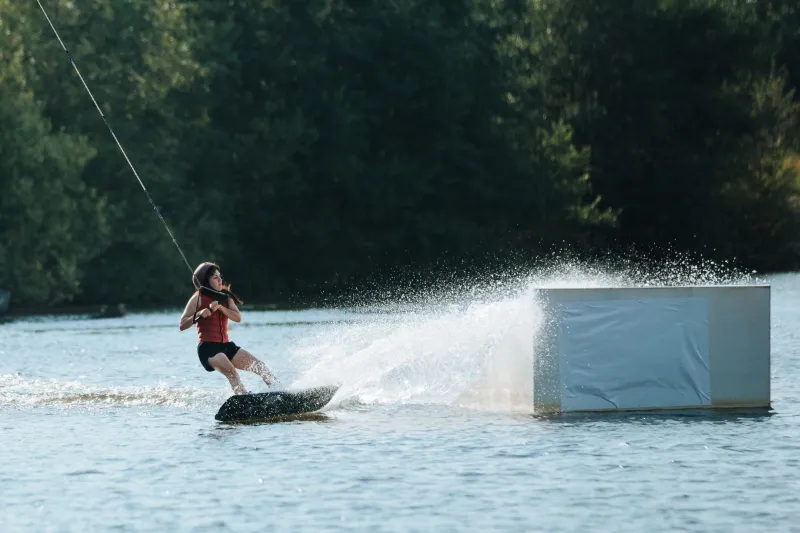
Ask any UK rider who has stuck with wakeboarding past their first summer and they will tell you the same thing: the water does not get warmer, but the habit does. Autumn 2026 has already delivered its first proper cold snap, and the temptation is to pack the board away until May. That is the wrong move if you are still chasing your first clean wake jump. Cold water does not have to stall your progression — it just changes how you plan a session.
Cold water is a different sport, slightly
Nothing about your technique has to change when the temperature drops. What changes is your margin for error. Cold muscles are less forgiving, cold water steals your breath, and a session that felt comfortable in July can turn into a shivering endurance test by November. Treat the colder months as a chance to sharpen the basics rather than a break from them.
Layer for the water, not the car park
The classic mistake is dressing for the bank and then boiling before you get wet. Build your layers around the water temperature and the wind chill, not the five minutes you spend walking to the jetty.
- A well-fitted 4/3 wetsuit will carry most riders through September and October at UK cable parks.
- From November onwards, a 5/4/3 with a built-in hood is the sensible default. Add neoprene boots, gloves and a hood if you feel the cold.
- If you know you run cold, a drysuit is not overkill. Modern suits breathe well enough that you will not cook on the bank, and staying dry between sets is worth the outlay.
- Fit beats thickness. A baggy 5mm suit flushes and chills you faster than a snug 4/3 with sealed seams.
- Bring a changing robe, a spare base layer, wool socks for afterwards and a flask. This is the least glamorous advice in wakeboarding and the most useful.
Warm up before you zip up
Do your mobility work in the car park or the changing room, while you are still warm and dry. Five to eight minutes is enough: leg swings, deep squats, hip openers, a band pull-apart or two and a brisk walk. Then get into your suit and get on the water. Stretching on a freezing bank in a wet wetsuit is how sessions start badly.
The pre-ride safety check
Cold shock is real, and it is the reason so many winter sessions go wrong in the first thirty seconds. Before you take a pull:
- Check the air and water temperature together. Ten degrees of air with four degrees of water is a very different proposition to ten and ten.
- Watch the wind. Wind chill on an exposed cable lake can knock several degrees off how the session feels.
- Wear an impact vest or buoyancy aid every time, no exceptions.
- Ride with someone. A buddy on the bank who knows what you are doing is not optional in winter.
- Know your exit. Where do you get out if you come off at the far end of the lake?
- Keep a phone dry and charged, and tell someone where you are and when you will be back.
- If the cable operator shortens hours or closes for ice, do not argue with them. They know their water.
Plan short sessions with one job
The biggest winter progression killer is the heroic four-hour session that leaves you too cold to actually learn anything. Swap it for a 30 to 40 minute block with one clear focus. One session on edging, one on riding switch, one on your approach to the kicker. Do a warm-up lap, two or three drills, then get out while you still have feeling in your fingers.
Progress from first pull to clean wake jumps is built on repetition, and repetition is much easier to bank in short, frequent visits than in occasional marathons. Two focused sessions a month through winter will do more for your riding than one sunny week in June.
Where to ride when the mercury drops
UK outdoor cable parks often trim their opening hours in the colder months, and some close entirely after October, so check before you travel. Reservoir and lake-based clubs with boat access can be quieter and more sheltered, and many run winter memberships at a discount.
Indoor and covered alternatives are worth the drive if you are desperate for water time. A handful of UK venues offer year-round riding, and even a session on a standing wave or a surf simulator keeps your board feel alive when the lakes are iced over. Think of it as cross-training rather than a substitute.
Confidence is a routine, not a personality trait
The riders who keep going through winter are not braver than you. They have just built a routine: check the forecast, pack the flask, warm up properly, ride for half an hour, get warm, go home. Confidence comes from knowing exactly what the session looks like before you arrive.
Keep the arc moving
You do not need to be riding in January to call yourself a wakeboarder. But if you can get on the water even a few times between now and spring, you will arrive at the new season with your edges sharper and your wake jumps closer. Cold water rewards preparation. Pack accordingly.